

2026 Chevrolet Innovations: How Chevy is Redefining Performance and Technology for Oak Lawn Drivers
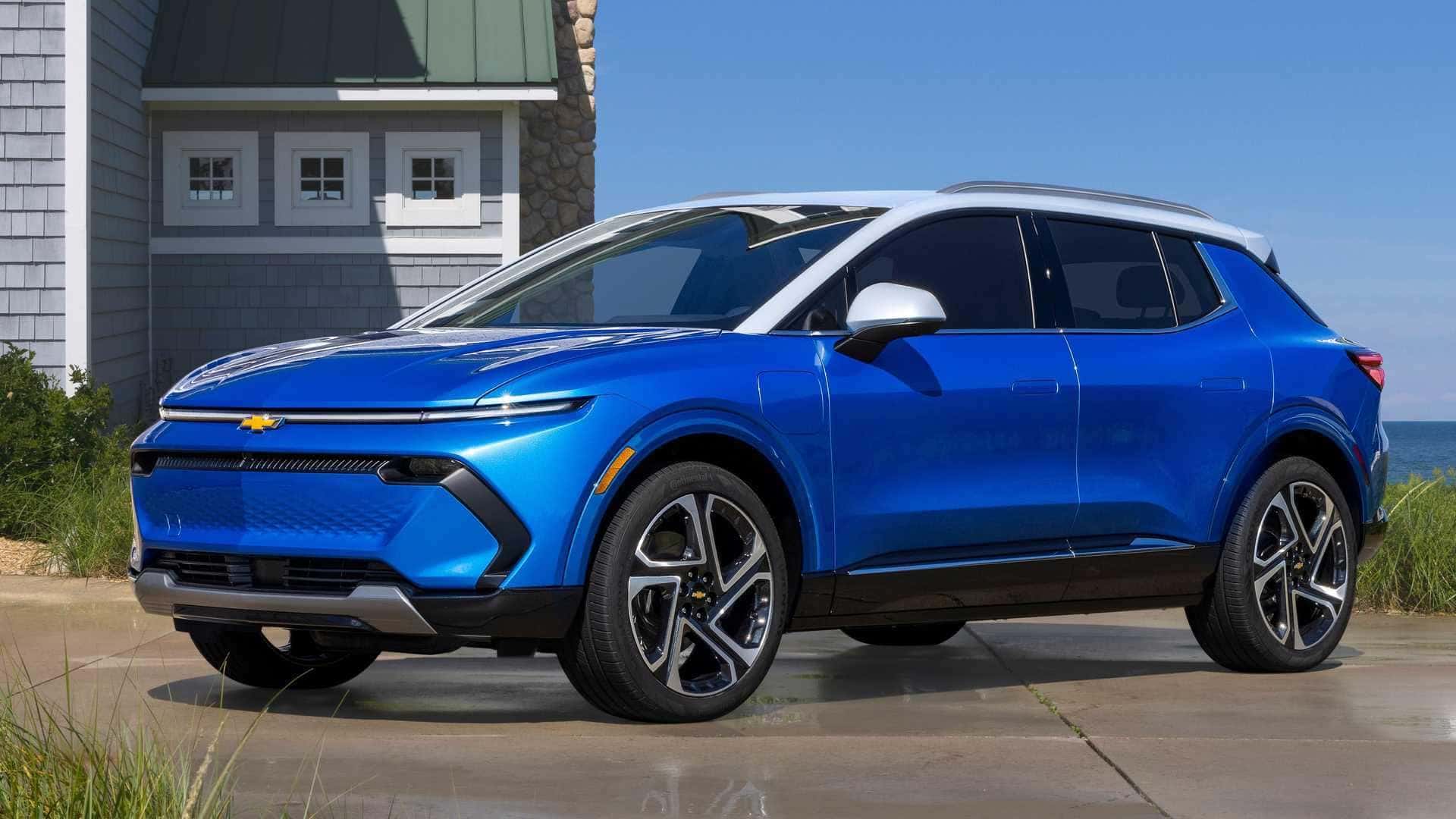
Chevrolet’s 2026 model year marks a clear pivot toward electrification, hybrid performance, and integrated vehicle intelligence, delivering new Chevy technology that reshapes how drivers in Oak Lawn and the Chicago area experience commuting, towing, and daily life. This article explains the Ultium-based EV lineup, hybrid powertrains like the Corvette E-Ray and Zora derivatives, and the expanded Super Cruise and infotainment features that define Chevrolet’s 2026 strategy. Readers will learn how these advances translate into real-world benefits—range predictability in cold weather, bi-directional charging utility, and hands-free highway driving—plus practical guidance for local ownership. The piece maps EV and performance attributes to typical Chicago-area use cases, covers advanced safety and connectivity upgrades, and outlines how Webb Chevrolet Oak Lawn supports purchase, financing, and certified service for 2026 models. Start here to understand what the new 2026 Chevrolet models bring to drivers, how to compare EV and hybrid options, and where to turn locally for test drives, service, and financing help.
What Are the Key Features of the 2026 Chevrolet EV Lineup?
The 2026 Chevrolet EV lineup centers on the Ultium Platform, modular battery architecture, and expanded model coverage that together improve energy density, packaging flexibility, and vehicle performance characteristics. Ultium’s adaptable modules enable a range of vehicle sizes and use cases from compact crossovers to full-size electric trucks, and the platform integrates electric motors, power electronics, and battery cooling to deliver predictable acceleration and usable range. Practical benefits for drivers include simplified charging behavior, lower center of gravity for handling, and scalable towing capabilities tailored to truck and SUV variants. These platform-level changes set the stage for model-specific differences covered in the comparison table below, which helps buyers map each EV to intended use.
Ultium fundamentals compared across core 2026 Chevy EVs:
| Model | Battery / Energy Architecture | Primary Use-Case |
|---|---|---|
| Equinox EV | Ultium modular battery pack | Compact family crossover for daily commuting and errands |
| Blazer EV | Ultium modules with focus on sport utility | Mid-size crossover combining range and performance |
| Silverado EV | Ultium large-format modules optimized for hauling | Full-size truck duties and towing-capable work use |
| Bolt EV (if offered) | Compact Ultium/Lithium-ion configuration | Urban driving and efficient short-range use |
This table clarifies how the Ultium platform is a shared foundation while each model targets different buyer priorities. The next subsection breaks down Ultium’s technical elements and what they mean for everyday driving.
How Does the Ultium Platform Power 2026 Chevy EVs?
Ultium functions as a scalable battery-and-powertrain ecosystem that stitches together battery modules, electric motors, and power electronics to form a flexible vehicle architecture that supports multiple body styles and power levels. The design uses stacked modules that can be configured to meet vehicle size and energy requirements, which simplifies manufacturing and allows features like fast-charging readiness and thermal management to be implemented consistently. For owners, this translates into more predictable energy use across temperature ranges and models that feel balanced on the road thanks to a low center of gravity. Understanding Ultium’s modularity also helps shoppers compare how different EVs prioritize range, towing, or cargo space based on their particular battery arrangement, which leads naturally into model availability at local dealerships.
GM Ultium Battery Modules: Enabling Scalable Electric Vehicle Production Across Diverse Segments
The modularity of the BEV3 platform, combined with Ultium battery modules, will empower General Motors to scale its electric vehicle production across a broad spectrum of vehicle types, ranging from entry-level compacts to heavy-duty trucks.
GM bets big on batteries: A new $2.3 billion plant cranks out Ultium cells to power a future line of electric vehicles, 2020
Which 2026 Chevrolet EV Models Are Available at Webb Chevrolet Oak Lawn?
Local availability varies, but Webb Chevrolet Oak Lawn lists primary 2026 EV models in its regional inventory mix, including family-focused crossovers and full-size electric trucks suitable for Oak Lawn and wider Chicago driving needs. Prospective buyers in Oak Lawn can expect to find Equinox EV and Blazer EV variants that suit daily commuting and family duties, while Silverado EV represents the battery-electric option for truck buyers seeking hauling capability. If a buyer needs up-to-date stock or to arrange a demonstration drive, Webb Chevrolet Oak Lawn offers an inventory search, and staff can confirm local availability and model fit for specific driving profiles. Those local steps are especially useful for scheduling a test drive or confirming trim-level features before visiting the showroom.
How Is Chevrolet Redefining Performance with Hybrid and Engine Innovations in 2026?
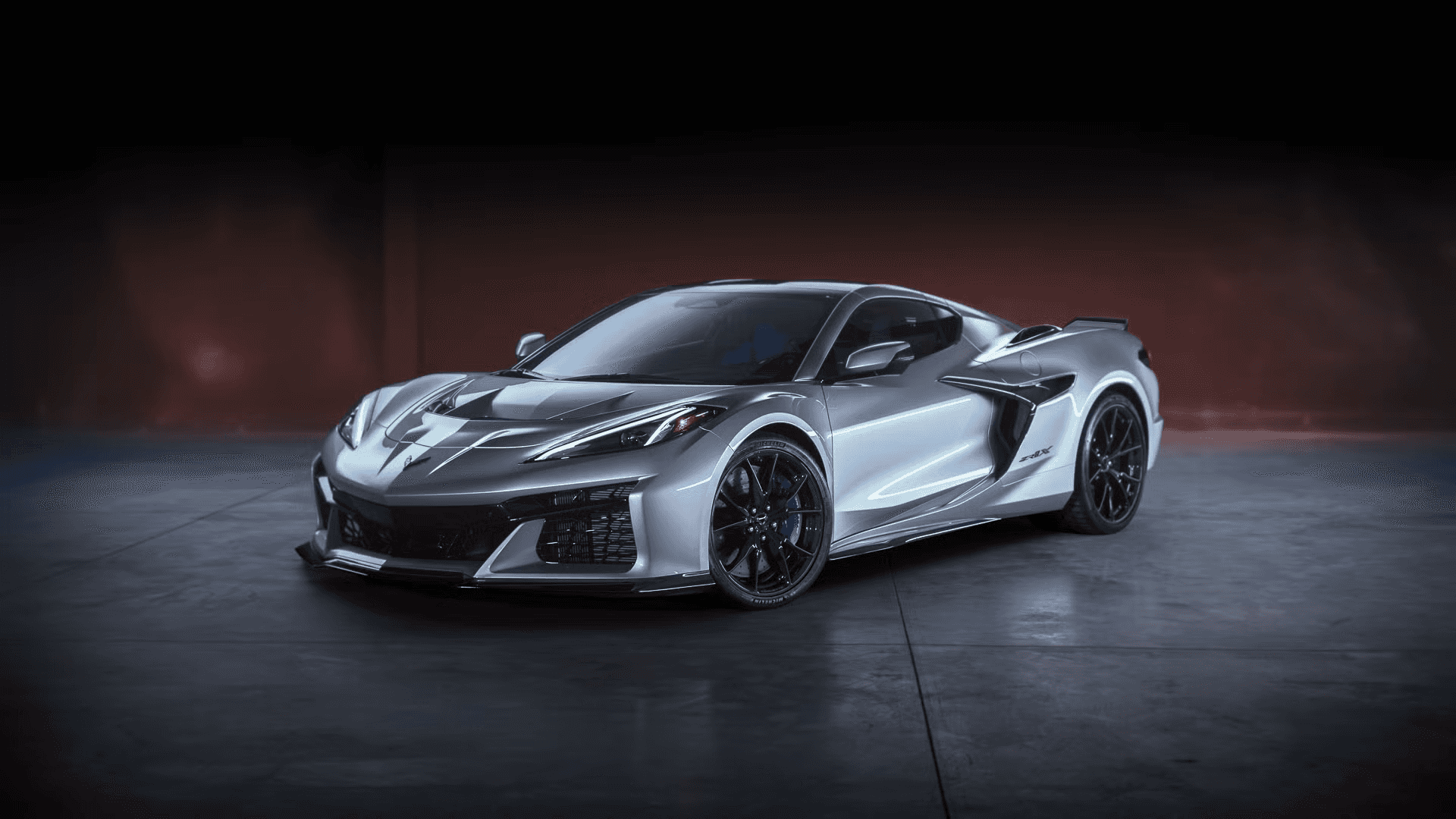
Chevrolet’s 2026 performance strategy blends advanced hybrid systems with refined internal-combustion engines to deliver both efficiency gains and higher performance across the lineup. Hybridization in flagship models uses electric assistance to improve launch performance, cornering balance, and in some cases regenerative braking that enhances daily efficiency, while updated turbocharged engines across trucks and SUVs prioritize low-end torque and towing capability. The practical result for drivers is a set of options that meet different needs—track-capable hybrids for enthusiasts, efficient turbocharged gasoline engines for towing, and plug-in hybrids that bridge commuting range and performance. Below is a comparative table summarizing hybrid and performance focus across representative Chevrolet models.
Performance and hybrid powertrain attributes:
| Model | Powertrain Type | Intended Driver Profile |
|---|---|---|
| Corvette E-Ray | Hybrid performance system (electric assist + ICE) | Enthusiasts seeking strong launch and dynamic handling |
| Corvette Zora | High-performance hybrid-oriented tuning | Track-focused drivers who want hybrid boost for speed |
| Silverado 1500 | Advanced turbocharged and hybrid options | Work and towing users needing torque and efficiency |
This comparison highlights how hybrid systems are positioned as performance enhancers rather than merely efficiency measures. The next subsection looks specifically at Corvette hybrid specs and what they mean in everyday driving.
What Are the Performance Specs of the 2026 Corvette E-Ray and Zora Hybrid Models?
Corvette hybrids in 2026 use electric motors to augment combustion power, delivering immediate torque at launch while allowing the internal combustion engine to operate in more efficient bands during cruising. This system design improves acceleration response and can provide selectable driving modes that bias performance or efficiency depending on the driver’s goals. For owners, the hybrid approach means sharper off-the-line acceleration and improved cornering balance through torque distribution, making the car more capable on both public roads and closed circuits. Those performance characteristics make hybrid Corvettes attractive to drivers who want both daily usability and occasional high-performance capability.
High-Voltage DC Bus Architecture for General Motors’ Ultium Platform
This paper details a high-voltage DC bus architecture developed for General Motors’ Ultium platform, engineered to accommodate a diverse spectrum of electric vehicles.
High voltage DC bus architecture for Ultium battery electric vehicles, M Anwar, 2022
Which Enhanced Powertrains Are Featured Across the 2026 Chevrolet Lineup?
Across 2026 models, Chevrolet blends turbocharged gasoline engines, mild and full hybrid systems, and fully electric powertrains to tailor performance and efficiency for specific vehicle roles. Turbocharged engines deliver compact displacement with higher torque, hybrids add electric torque fill and regenerative energy return, and full EV powertrains provide silent high-torque operation with instant power delivery. Buyers should match their driving needs—commute efficiency, towing, or performance—to the appropriate powertrain; for example, urban commuters may favor efficient hybrids or compact EVs, while truck users may select turbocharged or EV truck variants for towing. This variety ensures Chevrolet covers a broad range of driver profiles while using consistent engineering approaches that improve serviceability and parts commonality.
For Oak Lawn drivers interested in experiencing hybrid and performance options firsthand, Webb Chevrolet Oak Lawn stocks many performance and hybrid models and can assist with test-drive scheduling and finance consultations to align payments with ownership goals.
What Advanced Technology Features Are Included in the 2026 Chevrolet Models?
Chevrolet’s 2026 technology suite centers on expanded hands-free driving where supported, upgraded infotainment and connectivity with built-in services, and enhanced ADAS features that work together to improve safety and daily convenience. Super Cruise extends to more models and integrates with driver-monitoring systems to enable hands-free driving on mapped highways, while infotainment advancements include larger screens, voice-enabled assistants, and wireless integration for common smartphone platforms. Safety suites are packaged to provide automated emergency interventions, lane-keeping, and adaptive cruise capabilities that make highway driving less fatiguing and city driving safer. The following table maps major technology features to their consumer benefit and typical supporting models.
Technology features mapped to benefits:
| Feature | Benefit | Typical Models |
|---|---|---|
| Super Cruise hands-free driving | Reduced driver fatigue on highways | Select SUVs and sedans with mapped coverage |
| Google built-in navigation & apps | Seamless route planning and app access | Mid and high-trim infotainment systems |
| Advanced ADAS (lane-keep, AEB) | Lower collision risk and assistive safety | Across many 2026 model trims |
The table shows how core Chevrolet technology components interrelate to deliver user benefits, which leads into the subsections explaining Super Cruise and infotainment in greater detail.
How Does Super Cruise Hands-Free Driving Work in 2026 Chevy Vehicles?
Super Cruise operates by combining high-precision mapping data with onboard sensors and a driver-monitoring system to allow hands-free driving on compatible, mapped highways while ensuring the driver remains attentive. The system monitors the driver’s gaze and readiness, intervening with alerts or transitions back to conventional control if driver engagement drops, which maintains safety while enabling lower cognitive load during long highway segments. In practical use, Super Cruise is beneficial for commuters on long stretches of interstate driving and for reducing fatigue on multi-hour trips, though drivers must remain prepared to retake control when system limits are reached. Understanding Super Cruise’s capabilities and its operational boundaries helps buyers set realistic expectations for assisted driving features during daily use.
Chevrolet Super Cruise: Driver Monitoring and Automated Hands-Free Driving
Super Cruise employs a driver monitoring system, comprising a forward-facing camera and a sequence of progressive alerts, to ensure driver engagement and prompt attention to the roadway.
Field study of the level 2 Super Cruise using telematics data, D LeBlanc, 2023
What Infotainment Innovations Are Standard in the 2026 Chevrolet Lineup?
Infotainment in 2026 emphasizes integrated voice assistants, improved screen real estate, and native app ecosystems that reduce reliance on tethered phones for navigation and media playback. Features commonly include built-in navigation and connected services, wireless Apple CarPlay and Android Auto compatibility, and over-the-air updates that keep systems current without dealer visits. For families and tech-forward buyers, these enhancements mean more seamless connectivity, simplified route guidance, and fewer software-related hassles over the life of the vehicle. These infotainment advances pair with safety systems to provide context-aware alerts and simplified vehicle control, which supports a more intuitive ownership experience.
Why Should Oak Lawn Drivers Choose Webb Chevrolet for Their 2026 Chevy Purchase?
Webb Chevrolet Oak Lawn combines local inventory access, a full-service GM-certified service center, and a Finance Center designed to support purchase and ownership needs for 2026 Chevrolet models in the Oak Lawn and Chicago area. The dealership provides new and used Chevrolet vehicles, parts and service capabilities for EVs and hybrids, and a dedicated Finance Center where customers can start an online financing application and use a payment calculator to estimate budgets. For local buyers, the ability to schedule certified service, consult finance options, and arrange test drives simplifies the path from research to ownership, especially when evaluating EV charging options or hybrid technology before purchase. Below are practical steps and resources prospective buyers typically use when working with the dealership.
How Webb Chevrolet Oak Lawn supports local buyers:
- Inventory Access: Customers can confirm local model availability and reserve vehicles for test drives.
- Finance Support: The Finance Center assists buyers with applications and payment planning without committing to terms.
- Certified Service & Parts: GM-certified technicians handle maintenance and parts support for EV, hybrid, and ICE models.
These services position Webb Chevrolet Oak Lawn as a local resource where Oak Lawn drivers can test and maintain 2026 Chevrolets, and the next subsections explain finance and service scheduling in practical terms.
What Financing Options and Special Offers Are Available for 2026 Chevrolet Models?
Financing pathways at Webb Chevrolet Oak Lawn include consultative support from the Finance Center, the ability to begin an online financing application to streamline approvals, and a payment calculator tool to estimate monthly commitments based on vehicle choice and down payment. While specific promotional rates and incentives change regularly, the Finance Center’s role is to present available options, explain lease versus purchase considerations, and coordinate with lending sources to find suitable terms. Prospective buyers are encouraged to prepare basic credit and income information to speed the process and use the dealership’s planning tools to compare payment scenarios before visiting. These steps reduce friction in the buying process and help match financing to personal budgets and ownership timelines.
How Can Customers Schedule Service and Parts for Their 2026 Chevrolet?
Scheduling service at Webb Chevrolet Oak Lawn is supported by a GM-certified service department that handles routine maintenance, warranty work, and EV/hybrid-specific needs such as charging system checks and battery care. Customers can arrange appointments through the dealership’s service scheduling options and consult parts staff for OEM replacement components or accessories tailored to 2026 models. Certified technicians can advise on winterization, range preservation, and charger installation considerations for EV owners, providing local expertise that is especially valuable in Chicago-area weather. Regularly scheduled maintenance with certified personnel preserves vehicle performance and helps ensure features like Super Cruise and battery systems operate reliably.
What Are the Benefits of Owning a 2026 Chevrolet EV in the Chicago Area?
Owning a 2026 Chevrolet EV in the Chicago region delivers lower operating costs for many daily drivers, reduced maintenance complexity compared with pure ICE vehicles, and responsive performance suited to urban and suburban driving patterns. EVs eliminate routine oil changes and reduce brake wear through regenerative braking, while electric drivetrains provide instant torque that improves city acceleration and merging. Local benefits also include the ability to charge at home for most daily needs, access to public DC fast chargers for longer trips, and dealership support for charging hardware and service. The practical considerations below map the ownership advantages and common local planning steps for new EV owners.
Key practical benefits for Chicago-area EV owners:
- Lower day-to-day energy costs: Electricity often costs less per mile than gasoline for typical commuting patterns.
- Simplified maintenance: Fewer moving parts reduce routine service frequency and complexity.
- Enhanced urban performance: Instant torque improves stop-and-go acceleration and merges on busy roads.
These ownership benefits tie directly to range planning and charging availability, which the next two subsections address in detail.
How Far Can the 2026 Chevrolet EVs Travel on a Single Charge?
Range for the 2026 Chevrolet EVs varies by model configuration, battery architecture, and driving conditions, and real-world distance is influenced heavily by temperature, payload, and driving style. GM-provided estimates vary across trims and are a reference point; drivers should expect lower range in severe cold without range-preserving strategies and some reduction when towing or carrying heavy loads. To plan effectively, owners should consider their typical daily mileage, include buffer capacity for unforeseen trips, and use energy-conserving behaviors such as preconditioning while plugged in to improve usable range. Understanding these real-world variables helps buyers match a specific EV model to their commute and seasonal driving patterns in the Chicago area.
What Charging Options and Infrastructure Support 2026 Chevy EV Owners?
EV charging can be managed through three primary approaches—home Level 1 (standard outlet), home Level 2 (dedicated 240V charger), and public DC fast charging—with each option addressing different needs for convenience and speed. Level 2 home charging is the most practical for daily top-ups, while DC fast chargers are used for long trips or quick range recovery; dealerships and certified electricians can advise on home charger installation and compatibility. Public charging infrastructure in the Chicago area continues to expand, and local dealerships provide service and parts support for charger maintenance and EV-specific needs. For new EV owners, planning a mix of home charging and mapped fast-charging stops ensures reliable mobility across seasons and use cases.
How Do 2026 Chevrolet Models Compare to Previous Years and Competitors?
The 2026 Chevrolet lineup represents an evolution with broader Ultium adoption, more hybrid and electrified performance options, and expanded assisted-driving availability compared to prior model years, which collectively deliver improved efficiency and capability. Year-over-year changes emphasize platform commonality to reduce complexity while enabling new features like expanded Super Cruise coverage and enhanced infotainment, which increase perceived value for buyers. Against competitors, Chevrolet emphasizes a balance of utility, towing capability for its electric trucks, and performance-hybrid options, positioning the 2026 lineup as versatile across segments rather than narrowly optimized for a single metric. The bullets below summarize how 2026 improvements translate for consumers.
Key year-over-year and competitive differentiators:
- Platform Scalability: Ultium’s modularity allows Chevy to offer a range of EV sizes while sharing core components.
- Hybrid Performance: Electrified Corvettes demonstrate how hybridization can boost performance without sacrificing daily usability.
- Integrated Tech: Broader availability of assisted driving and built-in connectivity places Chevy competitively in technology-equipped segments.
These differentiators guide shoppers when weighing Chevy against conventional approaches and other EV makers, and the final subsection takes a closer look at direct technology and performance comparisons.
What Performance and Technology Improvements Differentiate 2026 Chevy Models?
Improvements in 2026 include refined battery packaging that enhances cabin space and handling, hybrid systems tuned for both low-end torque and regenerative efficiency, and software-driven infotainment and driver-assist updates that arrive via over-the-air delivery. These upgrades improve vehicle longevity, user experience, and safety while enabling more tailored driving modes to suit commuting or towing tasks. For consumers, the combination of hardware and software upgrades means a car that adapts better to real-world needs and retains functionality longer through software maintenance. These advances help buyers prioritize which attributes—range, towing, or tech—matter most for their lifestyle.
How Does the 2026 Chevrolet EV Lineup Stack Up Against Other Electric Vehicles?
In high-level comparisons, Chevrolet positions its 2026 EVs to balance range, utility, and price positioning across compact to full-size segments rather than focusing exclusively on maximum range or luxury features. Chevy trucks emphasize towing and work capability, crossovers focus on family-friendly packaging and daily range, and performance models integrate electrification to boost acceleration and handling. Buyers should evaluate trade-offs such as towing capacity versus absolute range, charging ecosystem compatibility, and local service support when comparing models. A test drive and closer look at ownership costs are recommended to determine which EV best aligns with individual priorities.
- Assess use-case: Match vehicle type to towing, cargo, and commute needs.
- Consider infrastructure: Verify home charging feasibility and public charger access.
- Factor ownership needs: Include service and financing options available locally.

0 comment(s) so far on 2026 Chevrolet Innovations: How Chevy is Redefining Performance and Technology for Oak Lawn Drivers