

Chevy Brake Service Guide for Oak Lawn Drivers
Chevy Brake Service Guide for Oak Lawn Drivers
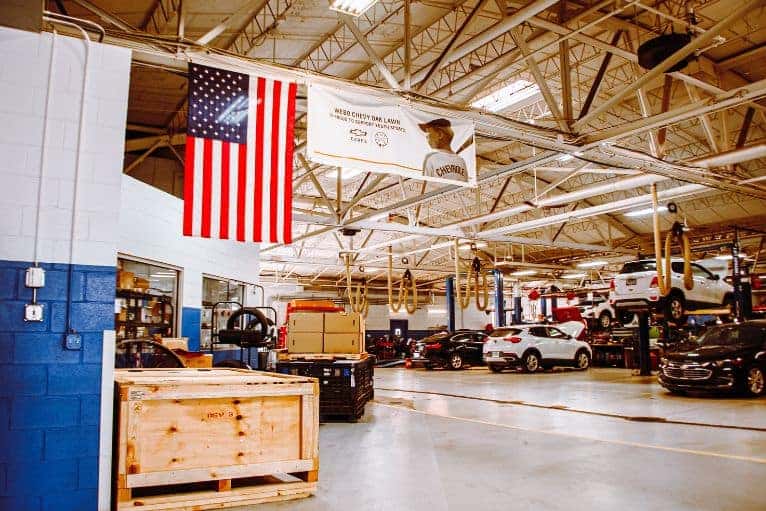
Brakes aren’t a system you want to guess about. Knowing the warning signs, how wear actually happens, and when a quick inspection is worth scheduling can save you from a bigger repair down the road. This guide from Webb Chevy Oak Lawn covers what to know about keeping your Chevy’s brakes in good shape.
What Are the Warning Signs of Brake Wear?
Squealing or grinding noises, a soft or spongy pedal, vibration when braking, or your Chevy pulling to one side are all signs it’s time for a brake inspection. A dashboard brake warning light is also worth taking seriously right away.
How Often Should Brake Pads Be Replaced?
Brake pads typically last 25,000 to 70,000 miles depending on driving style and conditions, though this varies by model and how the vehicle is driven. Stop-and-go city driving wears pads faster than steady highway commuting.
| Warning Sign | What It Usually Means |
|---|---|
| Squealing noise | Wear indicator contacting the rotor — pads due soon |
| Grinding noise | Pads worn through — address promptly to avoid rotor damage |
| Soft or spongy pedal | Possible air in brake lines or fluid needing service |
| Vibration when braking | Often a warped rotor |
| Pulling to one side | Uneven wear or a sticking caliper |
When Do Rotors Need Replacing?
Rotors can sometimes be resurfaced if only lightly worn, but scoring, warping, or thickness below the manufacturer’s minimum spec means replacement. Squealing that continues after a pad replacement can be a sign the rotors need attention too.
How Often Should Brake Fluid Be Flushed?
Brake fluid absorbs moisture over time, which can lower its boiling point and affect performance. Many manufacturers recommend a flush every two to three years — check your owner’s manual for your exact interval.
What Happens During a Brake Inspection?
A technician measures pad thickness, checks rotor condition, inspects brake lines for leaks, and tests the parking brake. This is typically included with routine service visits at no extra stop.
Does Driving Style Affect Brake Life?
Riding the brakes and frequent hard stops accelerate wear compared to smooth, anticipatory driving. Coasting to a stop rather than braking late can meaningfully extend pad life over time.
Does Towing Affect Brake Wear?
Towing adds weight and momentum that puts extra demand on your brakes, which can accelerate pad and rotor wear if you tow regularly. If you use your Chevy for towing, it’s worth mentioning at your next service visit so the technician checks accordingly.
How Does Chicago Winter Affect Braking?
Road salt accelerates corrosion on brake lines, calipers, and rotors, while icy roads demand more from your brakes and tires together. A pre-winter brake inspection is a smart addition to your fall maintenance routine.
Are Brakes Covered Under Warranty?
Brake pads and rotors are wear items and typically aren’t covered under a standard new-vehicle warranty once worn through normal use, though a manufacturing defect would be. Ask your service advisor if you’re unsure whether a specific issue is covered.
How Do You Book Brake Service at Webb Chevy Oak Lawn?
Booking online lets you describe any noise or pedal feel you’ve noticed so the service team can inspect and recommend the right next step when you arrive.
How to Check Your Own Brakes at Home
- Listen for squealing or grinding when you brake at low speed.
- Notice whether the pedal feels softer than usual or sinks lower before engaging.
- Feel for vibration or pulsing through the pedal or steering wheel when braking.
- Check if the vehicle pulls to one side under braking.
- Book an inspection if you notice any of the above rather than waiting for your next scheduled visit.
Key Takeaways
- Squealing, grinding, a soft pedal, or vibration are all signs it’s time for a brake inspection.
- Brake pads typically last 25,000-70,000 miles depending on driving style and conditions.
- Rotors can sometimes be resurfaced, but scoring or warping usually means replacement.
- Brake fluid should be flushed roughly every two to three years to maintain performance.
- Towing adds demand on brakes and can accelerate pad and rotor wear.
- Winter road salt accelerates corrosion, making a pre-winter brake check worthwhile.
Frequently Asked Questions
How do I know if my Chevy needs new brakes?
Squealing, grinding, a soft pedal, vibration when braking, or pulling to one side are all common signs your brakes need attention.
How long do Chevy brake pads typically last?
Brake pads typically last 25,000 to 70,000 miles depending on driving style and conditions, with city driving wearing pads faster.
How often should brake fluid be flushed?
Many manufacturers recommend a brake fluid flush every two to three years — check your owner’s manual for your exact interval.
Does towing affect my Chevy’s brakes?
Yes, towing adds weight and momentum that puts extra demand on your brakes and can accelerate pad and rotor wear.
Can I schedule brake service online at Webb Chevy Oak Lawn?
Yes — the online scheduler lets you pick a time and describe any noise or pedal feel you’ve noticed before you arrive.
Noticed a noise or soft pedal? Get it checked.

0 comment(s) so far on Chevy Brake Service Guide for Oak Lawn Drivers