

The Most Fuel-Efficient 2026 Chevy Models at Webb Chevy

Fuel economy matters now more than ever. Whether you’re commuting around Oak Lawn and greater Chicago, hauling gear, or thinking about an electric option, the 2026 Chevrolet lineup gives several ways to lower running costs. This guide breaks down what “fuel-efficient” means across Chevrolet’s 2026 models, how EPA and Le/100 km or MPG numbers translate into real-world range and operating cost, and how factors like towing and payload change those results. You’ll find model-by-model explanations — from EVs like the Blazer EV and Silverado EV to gasoline small SUVs such as the Trax and Trailblazer, the family-ready Tahoe, and the diesel Tahoe — plus local cost context for Oak Lawn drivers and clear next steps for test drives and financing. We reference EPA and NRCan figures where useful and include practical tips to help you get the best economy from whichever Chevy you choose.
Which 2026 Chevrolet Models Lead in Fuel Efficiency?
The most efficient 2026 Chevrolets fall into two groups: electric models, which tend to offer the lowest energy cost per mile, and smaller gasoline SUVs that deliver strong MPG in city and highway driving. Here “efficiency” means how much energy a vehicle uses to travel a set distance (Le/100 km for EVs, MPG for gasoline). Lower numbers mean lower running costs and either more range or fewer stops to refuel or recharge. This section highlights the headline leaders in both categories, explains the units and sources used, and gives a quick reference so you can match models to commuting, family, or work needs.
The models below were chosen for their manufacturer emphasis on efficiency, their electric range or gasoline MPG strengths, and how well they fit commuter and urban use in the Chicago metro area.
- Top EV-focused models for efficiency and range: Chevrolet Blazer EV — Efficient Le/100 km figures with long-range trims suited to longer commutes. Chevrolet Silverado EV — Built for electric work capability while maintaining usable range. Chevrolet Equinox EV (where available) — A compact EV option that works well around town.
- Top gasoline SUVs for highest MPG in 2026: Chevrolet Trax — Compact, city-friendly design with solid combined MPG. Chevrolet Trailblazer — A balance of highway efficiency and everyday cargo space. Chevrolet Equinox (gasoline) — Competitive combined MPG for family and daily driving.
| Model | Fuel Type | EPA / Le /100 km / MPG (City/Highway/Combined) | Electric Range (if EV) | Notable Performance Metrics |
|---|---|---|---|---|
| Chevrolet Blazer EV | Electric | EPA-rated efficiency reported in Le/100 km for combined cycles (manufacturer/EPA data) | Up to 324 miles (example max-range trims) | Strong combined efficiency; supports fast DC charging |
| Chevrolet Silverado EV | Electric | EPA-rated efficiency varies by trim and payload | Depends on battery; range drops under tow | High towing capability for an EV; range varies with load |
| Chevrolet Trax | Gasoline | EPA MPG varies by drivetrain (FWD/AWD) and trim | N/A | Optimized for urban commuting and easy maneuverability |
This table highlights the main differences between EVs and gasoline models and points out where you should confirm EPA or NRCan ratings for a given trim and drivetrain. Next, we dig into Blazer EV range and charging so you can see how headline numbers work in everyday driving.
What Are the Top Fuel-Efficient 2026 Chevy Electric Vehicles?
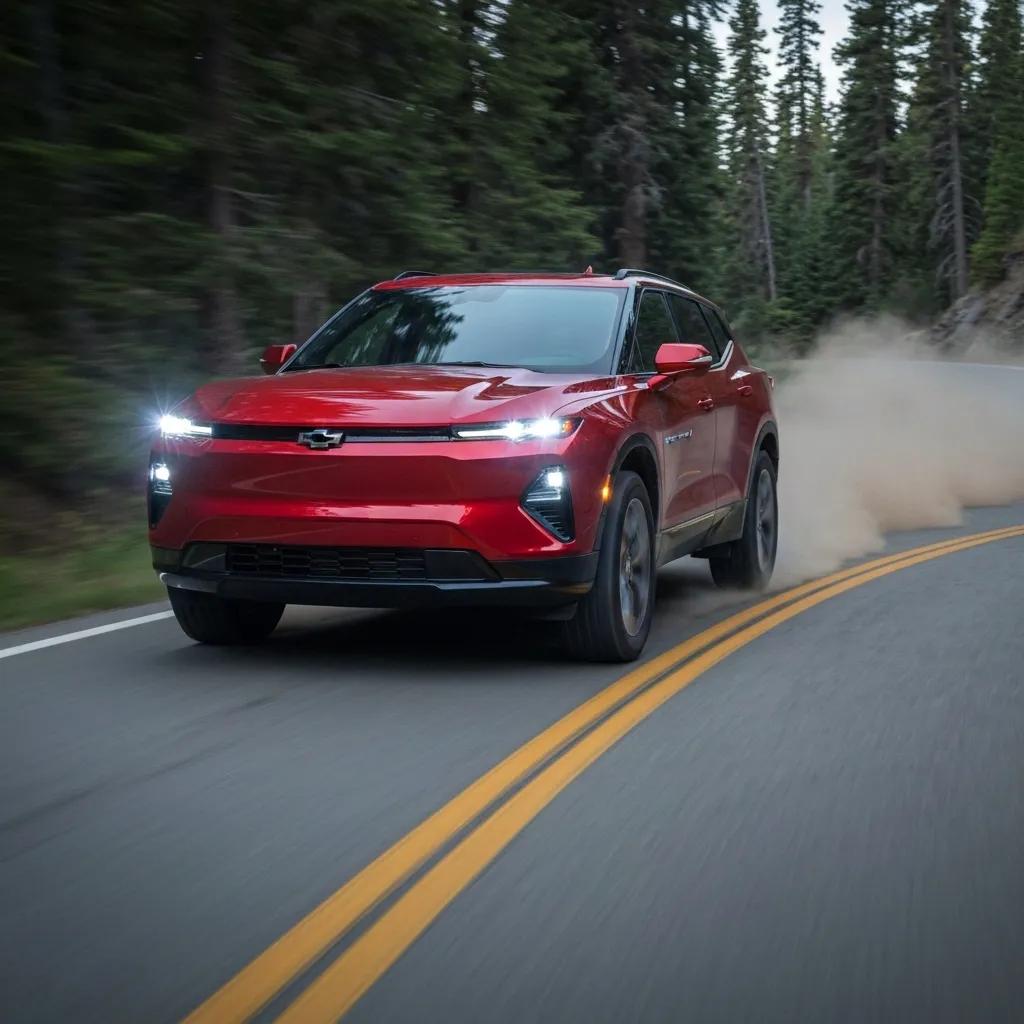
Chevrolet’s top 2026 EVs deliver low energy use per mile and ranges that fit different needs — from daily commutes to longer trips. EV efficiency is usually shown as Le/100 km: the lower the number, the less energy the car uses to cover the same distance, and the lower your cost per mile. Real-world efficiency depends on battery chemistry, vehicle weight, aerodynamics, and how well the thermal system manages cold weather. Access to charging matters, too: home Level 2 charging covers most daily needs, while DC fast charging shortens time on long drives. Knowing these variables helps you pick the EV that best matches your drive patterns and charging situation.
These points lead into the Blazer EV breakdown below — a practical example of how published efficiency figures translate to Oak Lawn and Chicago-area driving.
Which Gasoline 2026 Chevy SUVs Offer the Best MPG Ratings?
Several 2026 Chevrolet gasoline SUVs are engineered for good MPG through smaller engines, smart engine management, and front-wheel-drive layouts that reduce drivetrain losses. MPG will differ between city and highway because stop-and-go traffic taxes fuel economy more than steady interstate speeds. Choosing base FWD trims and lighter option packages typically improves combined MPG, while AWD and higher-output engines reduce it. Always compare city/highway/combined ratings by configuration and think about your typical commute mix when estimating annual fuel use.
Next we contrast gasoline SUV behavior with the Blazer EV to show how energy units and costs compare in real life.
How Does the 2026 Chevrolet Blazer EV Perform in Range and Efficiency?
The Blazer EV pairs efficient motors with several battery and drive options to deliver long-range capability while keeping Le/100 km consumption competitive for mixed driving. Efficiency comes from battery size choices, motor design, and regenerative braking that recovers energy. The practical benefits are clear: lower energy cost per mile for everyday drives and viable long-distance capability when DC fast charging is available. Real-world range changes with load, weather, and driving style, so it’s important to understand your charging habits and energy use to pick the right configuration.
That background leads into specifics on charging times and what owners can expect from different charge levels.
What Is the Electric Range and Charging Time of the Blazer EV?
The Blazer EV’s long-range trims are designed to reach competitive maximum range figures and support fast charging for quicker turnaround on trips. Charging time varies by charger: a home Level 2 setup replenishes most daily miles overnight, while DC fast chargers can add substantial range in under an hour depending on starting state of charge and temperature. Cold weather can reduce effective range, so Chicago-area drivers should plan a buffer and use preconditioning where possible. Practical tips — nightly charging for commuters and planning fast-charge stops for longer drives — help owners get the most from the Blazer EV.
How Does the Blazer EV’s Fuel Efficiency Compare to Other EVs?
Against other Chevy EVs and category rivals, the Blazer EV aims for a balance of low Le/100 km and useful range, typically out-performing heavier, work-oriented EVs in pure energy economy. Comparisons use Le/100 km and cost-per-mile to normalize differences in battery size and vehicle mass. Lighter crossover EVs tend to do best in city and mixed driving, while larger or heavier trucks show higher energy use, especially under load or at sustained highway speeds. Look at combined Le/100 km numbers and real-world range with charging expectations to decide which EV fits your commute and travel plans.
That comparison helps buyers choose between a Blazer EV for efficiency and range or other EVs that prioritize capability or payload.
What Are the Fuel Economy and Performance Features of 2026 Chevy Gasoline SUVs?
Chevy’s gasoline SUVs for 2026 pair smaller-displacement turbo engines, direct injection, and refined transmissions to deliver competitive MPG in city and highway driving. Aerodynamic tweaks and weight management also help on longer trips. There are tradeoffs: sportier or AWD variants increase capability but lower MPG. For families and commuters, smaller SUVs that offer strong combined MPG often give the best balance of everyday usability and lower operating cost.
We’ll next look at how the Trailblazer behaves in real city and highway conditions to illustrate those MPG differences.
How Efficient Is the 2026 Chevrolet Trailblazer in City and Highway Driving?
The Trailblazer’s efficiency profile favors mixed and highway driving when you choose lighter trims and FWD. City driving reduces MPG due to frequent stops and lower engine efficiency at low speeds, while steady highway cruising lets the Trailblazer approach its top combined MPG. Smooth driving habits — gentle acceleration and anticipating traffic — improve city numbers, and choosing FWD over AWD often yields noticeable combined-efficiency gains. If your routine includes both urban errands and suburban highways, the Trailblazer is often a sensible compromise between room and fuel economy.
What Fuel Efficiency Does the 2026 Chevrolet Trax Deliver for Urban Commuting?
The Trax is designed as a compact city commuter: its lower curb weight and smaller footprint help cut fuel use in stop-and-go traffic. Short daily trips and tight parking needs benefit from the Trax’s nimble size, which reduces time spent idling and inefficient low-speed operation compared with larger SUVs. Combined MPG depends on drivetrain and options, but steady, moderate speeds and smooth acceleration will get you closest to the reported figures. For urban drivers, the Trax is often the cost-effective choice that keeps pump visits less frequent while still offering usable cargo and passenger space.
How Does the 2026 Chevrolet Silverado EV Balance Work Capabilities with Fuel Efficiency?
The Silverado EV aims to pair real truck capability — towing and payload — with the efficiency advantages of electric drive, though towing will reduce range. Engineers balance battery size, thermal systems, and motor tuning to give usable towing while limiting range loss. In practice, towing lowers range by a measurable amount depending on trailer weight, speed, and terrain, so regular tow users should plan charging and route options carefully. The Silverado EV’s upside is a lower energy cost per mile and simpler routine maintenance versus gasoline trucks, balanced against the need to manage range on work runs. For more information, check the 2025 Chevy Silverado 1500 towing details.
A closer look at towing specs and range impact shows how the Silverado EV performs in typical work scenarios.
What Is the Silverado EV’s Electric Range and Towing Performance?
The Silverado EV offers substantial towing capacity for an electric pickup, but towing raises aerodynamic drag and energy consumption, cutting range compared with unloaded driving. Manufacturer towing limits vary by configuration; real-world range while towing depends on trailer weight, driving speed, and conditions. Use real scenarios — light local trailer vs. heavy highway loads — to see how range falls and plan for DC fast chargers on long routes. Slower speeds and good thermal management help preserve usable range and reduce charging stops when towing.
How Does Its Fuel Efficiency Compare to Gasoline Silverado Models?
Comparing the Silverado EV to gasoline Silverados means weighing energy cost per mile, maintenance differences, and operational needs. EVs often cost less per mile and need less routine service since they have fewer moving parts, while gasoline trucks refuel faster and keep predictable range under heavy loads. If you tow frequently and DC fast charging is scarce on your routes, a gasoline truck can offer quicker turnaround. Still, total cost of ownership often favors EVs when electricity costs and incentives are favorable. Consider annual mileage, towing frequency, and charging access when making the choice.
That operational comparison sets up the Equinox section, which focuses on efficiency combined with everyday family features.
What Are the Efficiency Ratings and Family Features of the 2026 Chevrolet Equinox?
The Equinox is a family-focused compact SUV that balances fuel economy with roomy interiors, safety features, and modern infotainment. Efficient powertrains and a chassis designed to limit weight and drag help deliver competitive MPG without sacrificing passenger comfort. Family-friendly touches — flexible cargo space, safety tech, and easy-to-use infotainment — support efficient driving by letting you pack and plan trips to reduce unnecessary runs. For school runs, errands, and weekend trips, the Equinox’s mix of economy and practicality makes sense for many households.
Below we quantify how Equinox MPG supports typical family driving and what that means for annual fuel costs.
How Does the Equinox’s Fuel Economy Support Family and Daily Use?
The Equinox’s combined MPG helps lower annual fuel bills for everyday commutes and errands. Families with many short trips benefit most when they consolidate errands and keep tires at the recommended pressures. Example scenarios — daily school runs plus highway trips — can estimate annual fuel costs based on local commute lengths and highway proportions. Choosing the most efficient powertrain and avoiding heavy option packages further improves real-world economy for family duties.
What Are the Key Performance and Comfort Features of the 2026 Equinox?
The Equinox pairs efficient drivetrain tuning with comfort features — composed ride, responsive steering, and flexible seating — to create a practical daily driver. Horsepower and torque vary by trim and affect how the vehicle uses energy when accelerating or cruising. Comfort and tech elements such as driver-assist systems and intuitive infotainment improve trip planning and can indirectly help fuel economy by reducing wasted time and detours. Overall, the Equinox aims to be a well-rounded choice for families who want efficiency and everyday comfort.
How Efficient Is the 2026 Chevrolet Tahoe Diesel Compared to Gasoline Variants?
The diesel Tahoe trades slightly higher per-unit fuel cost in some markets for stronger torque and better MPG under towing and steady highway loads versus comparable gasoline V8s. Diesels usually deliver superior highway MPG and more efficient torque for towing, which can lower fuel cost per towing mile over time for regular tow users. That said, diesel ownership involves different maintenance rhythms and local fuel-price dynamics. Model your annual mileage and towing needs to see if diesel offers a real cost advantage.
What Are the Diesel Tahoe’s MPG Ratings and Towing Capabilities?
Diesel Tahoes commonly show improved highway MPG and robust towing capacity compared with gasoline V8 options, making them a good fit for owners who tow often or carry heavy loads. Official MPG figures depend on configuration and should be checked with EPA or manufacturer specs; towing always reduces real-world MPG and varies with trailer weight, speed, and terrain. For regular towing, diesel’s torque and steady cruise efficiency can cut fuel use per towing mile, translating to savings. Plan routes and use conservative cruise speeds to maximize diesel efficiency while towing.
How Does the Diesel Tahoe’s Performance Impact Fuel Savings?
Diesel Tahoe performance can deliver fuel savings when towing or driving long distances at steady speeds, lowering cost per towing mile compared with gasoline alternatives. The break-even point depends on annual mileage, tow frequency, and fuel price differences. Heavy users who tow frequently and cover long distances are most likely to see diesel pay off. Include maintenance and service differences in any total cost of ownership comparison to get an accurate picture.
How Do 2026 Chevy EVs Compare to Gasoline Models in Fuel Efficiency and Cost Savings?
Comparing Chevy EVs to gasoline models comes down to energy cost per mile, range and refueling habits, and ownership costs like maintenance and incentives. EVs usually cost less per mile and require fewer routine services, while gasoline models can be cheaper up front and refuel faster. For Oak Lawn drivers, local electricity and gas prices, commute length, and home-charging access strongly affect the outcome. The tables below use reasonable local assumptions to show annual energy cost estimates and charging scenarios so you can evaluate potential savings for your driving patterns.
Start by reviewing the core differences in fuel-economy metrics and what they mean for operating cost.
- Key differences between EVs and gasoline models: EVs: lower energy cost per mile and fewer routine maintenance events. Gasoline: typically lower purchase price and faster refueling times. Ownership: incentives, local electricity rates, and charging access materially affect total cost.
| Model Type | Energy Cost Metric | Annual Fuel/Energy Cost Estimate (Oak Lawn assumptions) | Typical Home Charging vs Public Charging Costs |
|---|---|---|---|
| EV (e.g., Blazer EV) | $/mile electricity equivalent | Typically lower annual energy cost than gasoline for average commutes; actual amount depends on local kWh price | Home Level 2 charging is usually the least expensive per mile; DC fast charging can cost more per kWh or per session |
| Gasoline SUV (e.g., Trailblazer) | $/mile gasoline | Annual fuel cost is often higher than EVs at moderate electricity rates, depending on miles driven | N/A for charging; gasoline costs vary by local pump prices and driving pattern |
| Electric Truck (e.g., Silverado EV under tow) | $/mile electricity under load | Energy cost increases noticeably while towing; expect more frequent charging on long tow routes | Greater reliance on public fast chargers for long towing trips |
What Are the Key Differences in Fuel Economy Between EV and Gasoline 2026 Chevy Models?
EVs generally use less energy per mile and need less routine maintenance, while gasoline models offer quick refuels and often lower upfront cost. Cost-per-mile estimates usually favor EVs for owners with reliable home charging and moderate local electricity prices. Drivers without home charging or with very low annual mileage may see smaller savings. Incentives and financing options also change the picture, so run numbers for your expected miles, local energy prices, and charging access to see which choice saves you the most.
How Do Local Driving Conditions in Oak Lawn, IL Affect Fuel Efficiency and Savings?
Oak Lawn and the Chicago area combine stop-and-go suburban driving with highway commuting, which affects EV range and gasoline MPG differently: EVs benefit from regenerative braking in city driving, while gasoline engines can be more efficient on long highway runs. Illinois’ seasonal swings also matter — cold weather reduces EV range and can increase gasoline usage during warm-up. You can reduce these effects with preconditioning, steady driving, and route planning. Installing a home Level 2 charger and optimizing trips helps you realize the estimated savings we discuss here.
Next, we cover financing and incentives to help bring these efficient models within reach at the dealership.
What Financing Options and Incentives Are Available for Fuel-Efficient 2026 Chevy Models at Webb Chevrolet Oak Lawn?
To facilitate the purchase of new and used Chevrolet vehicles, schedule service appointments, order parts, and provide financing options that help customers get the best value from their ownership.
Webb Chevrolet Oak Lawn offers services to support buying and owning fuel-efficient 2026 Chevrolets: new and pre-owned inventory, certified pre-owned options, a full service center using genuine Chevrolet parts, an on-site parts department, and financing through trusted providers. You can schedule test drives, review current incentives, and talk with our finance team about loan or lease options that fit EVs and gasoline vehicles alike. Certified service and genuine parts keep vehicles running efficiently and protect resale value. We serve Oak Lawn and nearby communities including Chicago, Burbank, Palos Heights, Bridgeview, and Orland Park to make buying and owning a Chevy as simple as possible.
Below are typical steps customers take when arranging financing or a test drive at our dealership.
- Typical financing and incentive actions: Speak with a finance specialist to compare lease vs loan options for EV or gasoline ownership. Review manufacturer and regional incentives and eligibility to reduce upfront cost or monthly payments. Schedule a test drive and service appointment to confirm vehicle fit and ongoing maintenance plans.
Which Current Offers Support Affordable Purchase of 2026 Chevy EVs and Gasoline Vehicles?
Deal and manufacturer incentives often include rebates, promotional APRs, and lease specials that can lower the cost of ownership for both EV and gasoline buyers. Offers change frequently, so check with us for the latest promotions. EV buyers should also ask about utility or regional rebates that stack with manufacturer programs. Some incentives require documentation — proof of residency or employment, for example — so our finance team can help you gather what’s needed and apply the best combination of savings to your purchase.
Here are the next steps to find and apply available offers.
- Steps to access offers and financing: Request a current offer sheet from our finance center to compare available incentives. Complete a finance pre-qualification to see likely loan or lease terms. Confirm any EV-specific rebates or utility incentives available at your address.
How Can Customers Schedule a Test Drive or Apply for Financing?
To schedule a test drive or start a finance application, choose the model and trim you want to try, gather basic documents for pre-approval, and contact our sales or finance team to set a time and submit paperwork. Typical documents include a government ID, proof of residence, and recent pay stubs; our finance staff will give you a complete checklist and walk through options. We encourage test drives so you can experience EV range in real conditions or confirm MPG for gasoline models. After purchase, schedule service with our certified technicians to keep your vehicle running efficiently using genuine Chevrolet parts.
- Documents and expectations for financing appointments: Bring a government-issued ID for identity verification. Provide proof of residence and recent pay stubs for income verification. Prepare questions about incentives, warranty coverage, and recommended service plans.
Frequently Asked Questions
What factors influence the fuel efficiency of the 2026 Chevy models?
Several factors affect 2026 Chevy fuel efficiency: powertrain type (EV vs gasoline), vehicle weight, aerodynamics, and driving conditions. EVs usually use less energy per mile, while gasoline models can benefit from advanced engine controls and lighter trims. Driver behavior — hard acceleration, heavy payloads, or frequent short trips — also has a big impact. Knowing these factors helps you choose and operate a vehicle to get the best economy for your needs.
How do seasonal weather conditions affect fuel efficiency in Chevy vehicles?
Weather matters. Cold temperatures reduce EV range by affecting battery efficiency and can increase gasoline consumption during cold starts. Hot weather affects efficiency too, mainly through greater HVAC use. For EV owners, preconditioning and keeping a moderate cabin temperature help mitigate battery losses. For gasoline vehicles, keeping the engine well-maintained and avoiding long warm-ups reduces wasted fuel.
What are the benefits of choosing a diesel engine in the 2026 Chevy Tahoe?
A diesel Tahoe brings strong torque and better highway MPG, which helps for frequent towing or long-distance driving. Diesel engines are efficient under load and can lower fuel cost per towing mile. Consider service differences and local fuel prices when comparing diesel to gasoline — heavy users who tow often are most likely to benefit financially from diesel.
How can drivers maximize the fuel efficiency of their Chevy vehicles?
Simple steps improve efficiency: keep tires properly inflated, follow recommended maintenance, plan routes to minimize congestion, and use smooth acceleration and braking. For EVs, charge regularly at home and plan DC fast-charge stops for longer trips. Familiarizing yourself with vehicle features, like eco driving modes and regenerative settings, also helps you get the best economy.
What financing options are available for purchasing a 2026 Chevy model?
Our white label link building services are the best option for agencies looking for quality, scalability, and convenience. We create SEO optimized, fresh content that performs well in search rankings and boosts your clients’ site authority. All of our backlinks come from authoritative publishers. We’ll secure the quantity you need and in the right time frame.
What should buyers consider when comparing electric and gasoline Chevy models?
Compare total cost of ownership, fuel efficiency, and your driving patterns. EVs usually cost less to run per mile and need less routine maintenance, while gasoline cars often cost less to buy and refuel more quickly. Local electricity and gas prices, commute length, and charging access will determine how each option performs for you. Run the numbers for yearly miles, energy costs, and incentives to pick the best match.
Conclusion
The 2026 Chevrolet lineup gives practical, fuel-efficient choices for many needs — from the long-range Blazer EV to economical gasoline SUVs like the Trax and Trailblazer. Understanding efficiency metrics and real-world performance helps you pick the right model for your commute, family life, or towing needs. Explore financing and dealer incentives to make the most of available savings, then stop by Webb Chevrolet Oak Lawn to test drive the options that fit your lifestyle.

0 comment(s) so far on The Most Fuel-Efficient 2026 Chevy Models at Webb Chevy