

Top Features of the 2026 Chevrolet Silverado: Power Meets Innovation for Oak Lawn Drivers
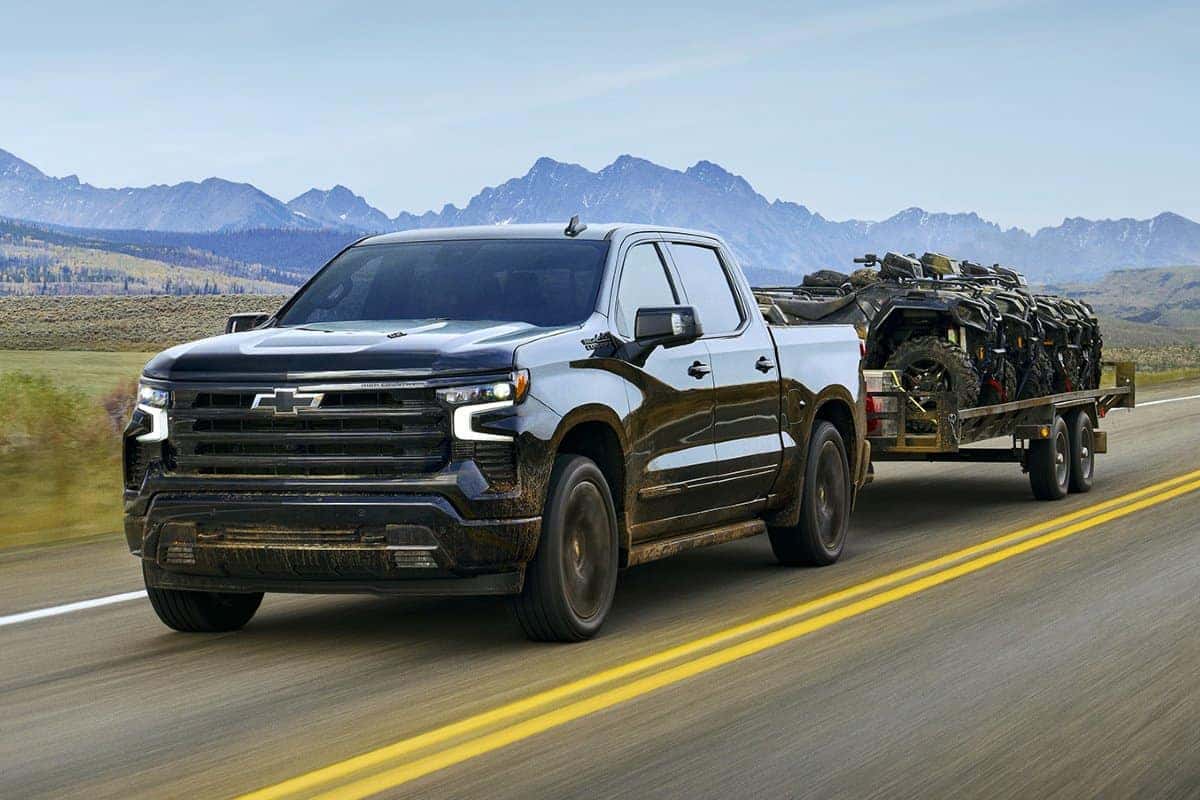
The 2026 Chevrolet Silverado represents a new chapter in full-size pickup capability, blending stronger performance, smarter trailering tools, and modern connectivity to meet diverse needs from daily commuting to heavy-duty work. This article explains the Silverado’s core offerings—engine and powertrain choices, towing and trailering technology, interior systems and connectivity, advanced safety and driver-assist features, trim hierarchy and customization, and the electric Silverado’s innovations—so Oak Lawn drivers can match capability to real-world use cases. Many local buyers need a truck that balances towing for recreation, comfortable daily driving, and long-term ownership costs; the Silverado’s modular approach and available powertrains aim to solve that problem by letting buyers prioritize power, efficiency, or zero-emission range. Below you’ll find clear comparisons of available engines, concise towing guidance, an overview of interior and safety tech, trim recommendations for specific buyers, and a focused look at the Silverado EV—along with practical steps Oak Lawn shoppers can take to test, finance, and service their next Silverado. Throughout this guide, keywords like 2026 Chevrolet Silverado, Silverado towing capacity, 2026 Silverado engine options, and 2026 Silverado EV range are used to help you quickly find the details that matter for buying and owning a Silverado in the Chicago suburbs.
What Are the Engine Options and Power Specs of the 2026 Chevrolet Silverado?
The 2026 Silverado arrives with a range of powertrains spanning gasoline turbocharged and V8 choices, a Duramax diesel for heavy hauling, and a fully electric powertrain designed for instant torque and flexible packaging. These powertrains are engineered to match distinct buyer priorities—fuel economy and cost of ownership for lighter-duty use, maximum torque and durability for towing and vocational needs, or instantaneous electric torque for quiet, high-performance driving. Understanding the mechanical differences helps buyers prioritize drivetrain features like transmission pairing, fuel type, and service requirements, which directly influence towing limits and maintenance planning. The following model-level breakdown explains which powerplants appear on light-duty (1500), heavy-duty (HD), and electric Silverado families to help you select a configuration that fits your priorities.
Which engines power the 2026 Silverado 1500, HD, and EV models?
The Silverado 1500 lineup focuses on versatile gasoline engines—turbocharged options and V8 choices—that balance everyday responsiveness with towing capability, while the HD variants prioritize high-displacement V8 and Duramax diesel power for sustained torque under heavy loads. The EV model replaces conventional internal-combustion packaging with one or more electric motors and a large battery pack built on an advanced electric architecture, delivering immediate torque and different service considerations. For buyers focused on day-to-day driving and occasional towing, the 1500 gasoline range often offers the best combination of convenience and efficiency; for frequent heavy towing, the HD with Duramax diesel or high-output V8 remains the practical choice. Knowing which family each engine belongs to is the first step in configuring a Silverado that suits your Oak Lawn driving patterns.
How much horsepower and torque does each 2026 Silverado engine deliver?
Exact horsepower and torque figures vary by engine tune and configuration, with higher-displacement V8s and Duramax diesel variants tuned for maximum torque at low RPMs to support heavy towing and payloads, while turbocharged and EV powertrains emphasize broad usable power and efficiency across rpm ranges. Instead of a single number, think in performance tiers: entry-level gasoline engines deliver ample power for commuting and light towing; midrange V8s increase towing confidence and passing acceleration; diesel and performance V8s offer peak torque and sustained output for work-oriented duty cycles. Electric powertrains provide immediate peak torque that benefits acceleration and low-speed towing response, though range and thermal management affect sustained heavy use. To compare exact numeric outputs for the configuration you’re considering, consult the dealer configuration tools and specification sheets before ordering.
Different engines map to distinct buyer outcomes; the next section translates powertrain capability into towing performance and trailering technology.
| Powertrain | Primary Attributes | Buyer Consideration |
|---|---|---|
| Turbocharged (gasoline) | Balanced power and efficiency; modern turbocharging | Good for mixed commuting and moderate towing needs |
| 5.3L / 6.2L V8 (gasoline) | Strong mid-to-high-range horsepower and torque | Suited for drivers who need robust towing without diesel complexity |
| Duramax (diesel) | High low-end torque and towing durability | Best for heavy towing, fleet, and frequent trailer use |
| EV powertrain (Ultium-based architecture) | Instant torque, quiet operation, different range/charging tradeoffs | Ideal for zero-emission driving and immediate low-end torque needs |
| Hybrid / Electrified options | Improved efficiency, tactical low-end torque assist | Good compromise for efficiency-conscious buyers needing occasional power |
This comparison highlights that powertrain selection affects towing capability, service intervals, and fuel or charging strategy—factors that inform your final configuration decision.
Facilitate vehicle purchases, drive service appointments, provide financing, and build lasting customer relationships.
What Is the Towing Capacity and Trailering Technology of the 2026 Silverado?
The Silverado’s towing capability depends on model family, engine selection, axle ratio, cab/bed configuration, and installed towing equipment; properly configured HD variants provide the highest maximum towing, while 1500 models offer strong towing for boats, trailers, and work gear when ordered with the right package. Advanced trailering technologies improve safety and ease-of-use by delivering better visibility, guidance, and system feedback during hitching and backing maneuvers; these technologies reduce the skill gap for occasional tower owners and enhance confidence for frequent haulers. Local factors—such as towing to nearby lakes or hauling equipment around Oak Lawn and neighboring suburbs—make it important to match the Silverado configuration and trailering package to your specific trailer type and load. Below is a practical reference showing how model/configuration choices influence towing and payload expectations and what equipment is typically required to enable maximum ratings.
What is the maximum towing and payload capacity of the 2026 Silverado?
Headline towing and payload figures are configuration-dependent: a properly equipped 1500 can tow substantial loads for personal and light-professional use, whereas HD configurations are engineered for much higher maximum trailer masses when paired with heavy-duty axles, hitch options, and cooling packages. The key takeaway is that “maximum” ratings require factory or dealer-installed equipment—such as heavy-duty towing packages, specific axle ratios, and approved hitch assemblies—to safely reach published capacities. Buyers should plan with a margin for safety: select a configuration rated above your typical load, and account for payload, cargo, passengers, and tongue weight when calculating real-world capability. For precise capacity for the trailer you intend to tow, consult configuration specs and have the dealership verify the recommended setup.
How does the advanced trailering system enhance towing safety and convenience?
Trailering technology in the Silverado includes multi-camera views, trailer-alignment guidance, trailer-framing aids, and integrated monitoring systems that simplify hookups and backing maneuvers while increasing situational awareness. These features make tasks like hitching a boat for trips to nearby recreation areas or maneuvering a utility trailer more predictable and less stressful, especially in tight parking or launch environments. The trailering camera systems provide a near-transparent view for trailer and blind-spot awareness, and integrated trailer feedback helps prevent common issues like overloaded tongue weight or underinflated trailer tires. Together, these systems reduce the risk of damage and improve confidence for drivers who tow frequently or are new to trailering.
Before you tow, choose a properly configured truck and schedule a certified service check or hitch installation to ensure safe operation; Webb Chevrolet Oak Lawn’s parts and certified service team can evaluate your desired towing package and install trailer-hitch hardware and monitoring equipment to match your towing needs.
| Model / Configuration | Max Towing (guidance) | Max Payload (guidance) | Required Equipment |
|---|---|---|---|
| Silverado 1500 (properly equipped) | Varies by engine and axle; suited for boats and medium trailers | Varies by cab/bed; good for work gear | Tow package, hitch, cooling upgrades |
| Silverado HD (properly equipped) | Designed for maximum trailer mass for heavy-duty tasks | Higher payload for vocational loads | Heavy-duty hitch, axle upgrades, factory tow package |
| Silverado EV (with tow option) | Electric torque supports strong low-speed towing; max depends on battery/thermal management | Payload varies; battery weight affects payload | Tow package and thermal management options |
This table underscores that the truck’s rated capacity is meaningful only when paired with the correct components and service support.
Which Interior Features and Connectivity Technologies Are Included in the 2026 Silverado?

The Silverado’s interior blends functional truck ergonomics with modern infotainment and connectivity systems to serve both work tasks and family use cases, featuring large touchscreens, digital driver displays, integrated smartphone interfaces, and flexible storage. These technologies provide practical benefits such as route planning for towing trips, wireless mirroring for phone apps, cabin comfort for commuters, and durable materials that tolerate worksite use. The cabin layout also emphasizes user-accessible storage, multiple power and USB-C outlets, and optional creature comforts that elevate long drives or daily commutes—features that are especially valuable for Oak Lawn drivers balancing office routes with weekend recreation. Below are specifics on infotainment choices and how driver-assistance technologies like Super Cruise integrate into the in-cabin experience.
What infotainment and digital display options come with the 2026 Silverado?
The Silverado offers a multi-size infotainment touchscreen and a digital instrument cluster, supporting features such as integrated voice assistants, smartphone mirroring, and in-vehicle Wi-Fi hotspot capability to keep devices connected on the go. These systems simplify navigation when towing or traveling regionally and allow seamless access to mapped routes, trailering guides, and multimedia without distracting the driver. Infotainment software supports wireless Apple CarPlay and Android Auto style integration and includes built-in mapping and connected service options for route planning and diagnostics. The modular display architecture lets buyers choose configurations that prioritize larger touch interfaces or a performance-focused digital cluster depending on trim level.
For quick reference, infotainment highlights include:
- Wireless smartphone integration for hands-free content and navigation.
- Large central touchscreen with customizable tiles for trailer and vehicle data.
- Digital driver display showing towing metrics and safety alerts.
These systems converge to keep driving tasks focused and secure, leading naturally into how Super Cruise and driver-assist tech extend that safety and convenience.
How does Super Cruise and other driver-assistance tech improve the driving experience?
Super Cruise is a hands-free driving assistance technology for supported roadways that maintains lane centering and adaptive cruise control, reducing driver fatigue on long highway segments and supporting safer highway travel when available and appropriate. Complementary driver-assist systems provide lane-keeping support, adaptive braking, and automated emergency responses, collectively reducing accident risk and improving confidence during long commutes or towing trips. These systems are designed to assist—not replace—the driver and require the driver’s attention and readiness to take control as conditions change. Integrating Super Cruise with the Silverado’s displays ensures that route and driver status information is presented clearly, which aids situational awareness during extended drives.
What Safety Features and Driver-Assistance Systems Does the 2026 Silverado Offer?
Chevrolet’s approach emphasizes a layered suite of active safety systems and passive protections to reduce crash likelihood and severity, including lane-keeping aids, automatic emergency braking, blind-spot alerts, and integrated airbag design. These systems work in concert to detect hazards, assist the driver with corrective steering or braking, and provide audio-visual alerts when attention is needed—an important set of capabilities for busy commuters and drivers who tow heavy loads. Proper maintenance and periodic calibration of sensors and cameras are essential to ensure ongoing effectiveness, especially after repairs or modifications; dealer service centers provide the necessary calibration procedures. The next paragraphs outline the standard safety elements and explain real-world protective benefits.
Which Chevy Safety Assist features are standard on the 2026 Silverado?
Key standard features generally include:
- Automatic Emergency Braking: Reduces collision severity or avoids impact.
- Lane-Keeping Assistance: Helps maintain lane position and alerts for drift.
- Blind-Zone Monitoring: Alerts the driver to vehicles or trailers in blind spots.
Summary: These standard systems reduce common crash risks and form a base that can be expanded with optional driver-assist technologies.
How do these safety technologies protect drivers and passengers?
Safety systems protect by combining early detection with automated interventions or driver alerts, helping prevent collisions before they occur and reducing the energy of unavoidable impacts through quicker, controlled responses. For example, automatic braking intervenes when closure rates indicate an imminent collision, while blind-zone alerts prevent unsafe lane changes—both translating sensor data into driver-assist actions that lower accident probability. Proper operation depends on sensor cleanliness and calibration; after collisions or bodywork, professional service ensures systems remain aligned and reliable. Dealer service teams can perform required calibrations and inspections to maintain the integrity and performance of these safety systems over the vehicle’s life.
What Are the Trim Levels and Customization Options for the 2026 Chevrolet Silverado?
The 2026 Silverado lineup offers a trim hierarchy that ranges from work-focused base models through midlevel comfort and sport trims to luxury-oriented and off-road variants, enabling buyers to match capability, technology, and appearance to intended use. Trim differentiation affects ride tuning, suspension hardware, infotainment and comfort amenities, available trailering features, and styling elements—factors that determine which trim is best for fleet use, family hauling, towing, or off-road recreation. Dealer-installed packages and special edition options further tailor the truck for specific needs such as enhanced tow equipment, appearance upgrades, or off-road hardware. The table below summarizes representative trims, key features, and recommended buyer profiles to help you decide which level aligns with your priorities.
How do trims like WT, LT, RST, and High Country differ in features and design?
Work Truck (WT) focuses on durability and value with essential fittings and simplified finishes for fleet and vocational use, while LT balances cost and comfort with upgraded infotainment and convenience features. RST emphasizes sportier styling and performance options, catering to buyers who want a visually assertive truck with extra tech. High Country targets buyers seeking a near-luxury pickup experience, adding premium materials, advanced comfort features, and top-tier technology. Choosing the right trim depends on priorities: fleets and contractors often choose WT, value-conscious families or businesses opt for LT, performance-leaning buyers prefer RST, and buyers seeking maximum comfort and technology choose High Country.
Trim buyer guidance:
- WT: Best for fleet/work buyers needing basic, durable functionality.
- LT: Ideal for families or buyers seeking a balance of value and features.
- RST / Sport-oriented trims: For buyers who prioritize appearance and performance cues.
- High Country / Luxury trims: For maximum comfort and advanced tech.
Summary: Trim selection determines available tow gear, interior comfort, and technology; choose a trim that aligns with your most frequent use cases.
| Trim | Key Features | Price Positioning | Suitable Buyer |
|---|---|---|---|
| WT (Work Truck) | Durable finishes, essential tech, simplified options | Entry-level | Fleet operators, contractors |
| LT | Enhanced infotainment, comfort upgrades | Mid-level | Families, value buyers |
| RST / Sport | Sport styling, performance-oriented options | Mid-to-high | Style-conscious owners |
| High Country | Premium materials, advanced tech | Top-tier | Luxury-oriented buyers |
| Off-road Editions (e.g., Trail Boss / ZR2 style) | Off-road suspension, skid plates, terrain tuning | Specialty | Off-road and outdoor enthusiasts |
What special edition packages are available for the 2026 Silverado?
Special editions and appearance or performance packages typically add distinct styling elements, off-road gear, or utility-focused enhancements such as bed-mounted tool systems or specialized tow equipment, depending on factory availability and dealer offerings. Some packages emphasize aesthetic upgrades—unique wheels, badging, and interior trim—while others prioritize capability with upgraded suspension, skid protection, or performance braking. Availability can be factory-only or offered as dealer-installed options, and ordering windows often determine whether a given special edition is obtainable. Buyers interested in a specific special edition should coordinate with the dealership to confirm factory availability or discuss dealer-installed alternatives.
Typical package categories:
- Appearance Packages: Unique exterior and interior styling elements.
- Off-Road Packages: Suspension upgrades, protective hardware, and terrain tuning.
- Utility/Work Packages: Bed organization, tow prep, and auxiliary power.
Summary: Special editions let buyers personalize aesthetics or capability, and the dealer can assist with ordering or installing compatible packages.
What Innovations Does the 2026 Silverado EV Bring to the Electric Truck Market?
The Silverado EV introduces electric-specific innovations such as an advanced battery and motor architecture, instantaneous electric torque, a front storage area, and software-defined features that evolve over time—reframing what a pickup can deliver for both daily driving and towing. Built on a modern electric vehicle platform, the EV variant emphasizes energy management, regenerative braking, and thermal control systems to balance range and towing capability. For Oak Lawn drivers, the EV model offers a quiet, emissions-free local driving experience while enabling new ownership considerations like home charging and incentive opportunities where applicable. Below, find estimated range guidance, charging information, and practical advice for integrating an electric pickup into everyday use.
What is the estimated electric range and charging capability of the 2026 Silverado EV?
Electric range for the Silverado EV depends on battery capacity, payload, towing load, and ambient conditions; headline estimates for modern electric pickups typically present a wide range to reflect different trims and battery options, and charging capability commonly includes Level 2 home charging and DC fast charging for rapid top-ups. Real-world range will vary with towing, speed, and HVAC use, so buyers should evaluate expected daily mileage, available home charging, and access to public fast charging when assessing whether the EV meets their needs. Charging times will differ by onboard charger and DC fast-charge rate; planning for both overnight Level 2 charging and occasional fast-charge stops yields the most practical ownership experience. For exact range and charging specifications on the configuration you’re considering, consult the vehicle’s official charging and range documentation.
How does the Silverado EV combine power and innovation for Oak Lawn drivers?
The Silverado EV pairs instant electric torque with flexible cargo and storage solutions, such as a front trunk and rethought bed packaging, to meet both performance and utility needs for suburban owners who tow occasionally and commute regularly. Home charging integration and public fast-charging access make daily ownership practical for many local drivers, while the truck’s electric architecture reduces vibration and noise for more comfortable commutes. Dealerships prepared for EV sales can assist with incentive guidance, vehicle-specific financing, and charging-support planning, ensuring new EV owners understand range management and service requirements. For Oak Lawn buyers considering an EV, discussing towing setup and ownership patterns with a dealership advisor helps ensure the Silverado EV aligns with real-world needs.
Webb Chevrolet Oak Lawn can facilitate vehicle purchases, drive service appointments, provide financing, and build lasting customer relationships. As Chevrolet’s local dealer serving Oak Lawn and the greater Chicago suburbs, Webb Chevrolet Oak Lawn offers sales and certified service support for EV-specific financing questions, charging preparation, and ongoing maintenance—contact the dealership to discuss EV purchase options, available incentives, and service plans tailored to electric trucks.
Summary: The Silverado EV brings electric torque and novel packaging to the pickup segment, and dealership support helps translate those innovations into practical ownership.

0 comment(s) so far on Top Features of the 2026 Chevrolet Silverado: Power Meets Innovation for Oak Lawn Drivers